
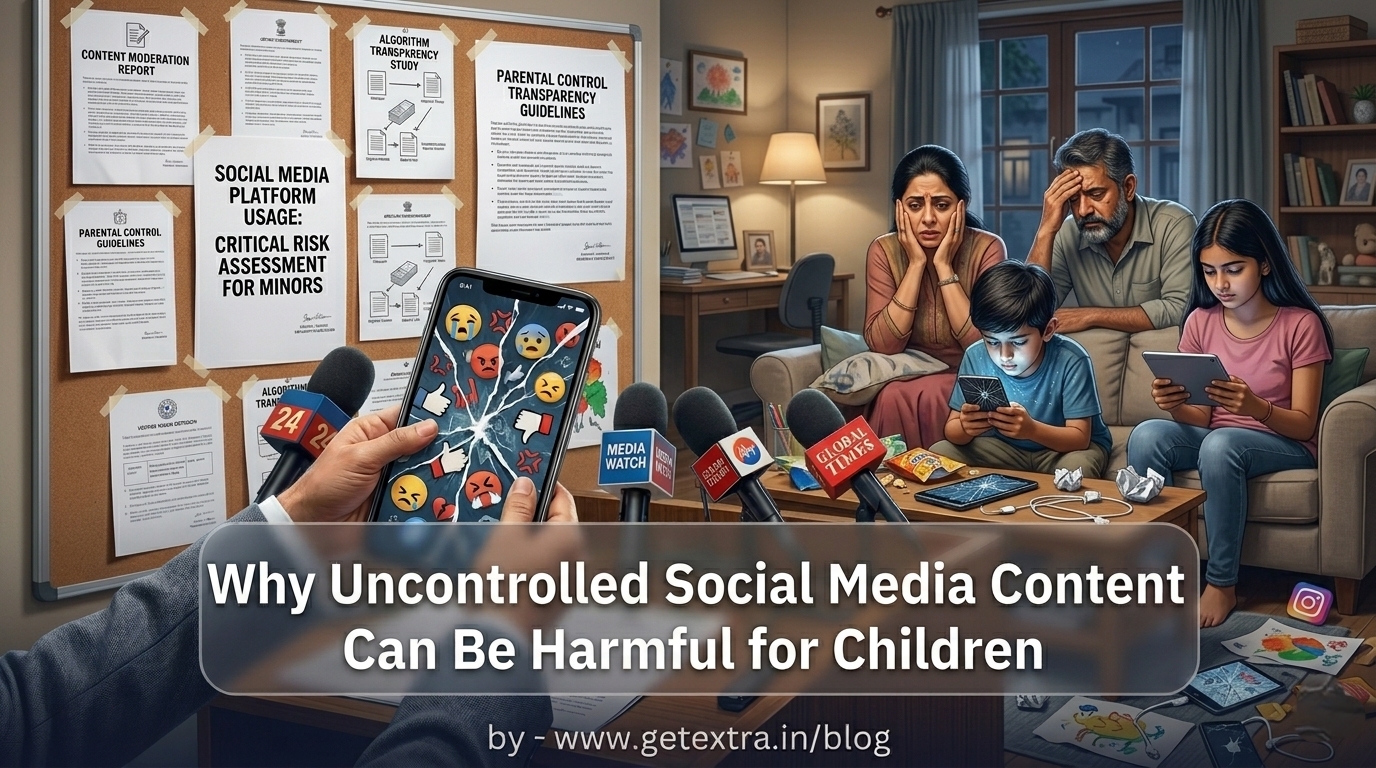
The internet has become one of the most powerful influences in modern childhood. Today’s children are exposed to social media platforms, short videos, online creators, gaming streams, influencers, and viral trends from a very early age. A mobile phone now gives children access to millions of voices, opinions, and personalities within seconds.
While technology has many benefits, unrestricted internet consumption can also become harmful when children are exposed to misleading, manipulative, or emotionally unhealthy content before they are mentally mature enough to understand it properly.
Children’s minds are naturally impressionable during early years. They often believe information quickly, especially when it is presented confidently by influencers, creators, or viral personalities online. Many children cannot easily differentiate between genuine knowledge, entertainment, marketing, exaggeration, or complete misinformation.
One of the biggest concerns is that anyone on the internet can speak with authority, regardless of whether they are educated, experienced, or trustworthy. Social media rewards attention, controversy, and emotional reactions more than truth. As a result, many creators spread unrealistic lifestyles, fake success stories, unhealthy trends, aggressive behavior, or misleading advice simply to gain views and followers.
Young children often consume this content without emotional filters or critical thinking abilities. Slowly, repeated exposure begins shaping their mindset, behavior, language, attention span, and self-image.
For example, excessive exposure to harmful online content may lead to:
- reduced concentration
- aggressive behavior
- unrealistic expectations
- early exposure to inappropriate topics
- emotional insecurity
- comparison and low self-esteem
- addiction to validation and attention
- reduced interest in studies and real-world activities
Children below teenage years are still emotionally developing. They usually imitate what appears “cool,” popular, or viral online without fully understanding long-term consequences. This is why many psychologists and educators believe unrestricted social media exposure at a very young age can affect healthy personality development.
Another major issue is misinformation. Social media platforms are filled with people giving advice on health, relationships, money, lifestyle, and success without proper knowledge or responsibility. Adults may eventually learn to question information critically, but younger children often absorb online opinions as truth.
The human brain develops decision-making and emotional control gradually over time. Many experts believe children require stronger guidance, emotional maturity, and real-world understanding before independently consuming unlimited internet content. This is one reason parents are increasingly becoming concerned about unrestricted smartphone access before the age of 15 or 16.GetExtra 
This does not mean technology itself is bad. The internet can also provide incredible opportunities for learning, creativity, education, and skill development when used carefully and under healthy guidance. The real issue is uncontrolled exposure without supervision, balance, or meaningful alternatives.
Parents today face a difficult challenge because completely removing technology is unrealistic in modern life. Instead, creating healthy digital habits becomes more important. Open communication, screen limits, meaningful content, family conversations, reading culture, outdoor activities, and positive storytelling can help children develop stronger emotional balance.
Educational and inspirational audio storytelling platforms like GetExtra offer healthier forms of digital engagement by encouraging imagination, motivation, curiosity, and positive thinking instead of endless passive scrolling.
Children do not only consume content. Over time, content also consumes and shapes children’s thinking.
That is why protecting young minds during their early years is becoming one of the biggest responsibilities of modern parenting.
FAQs
Why can social media be harmful for children?
Excessive or uncontrolled social media exposure can affect concentration, emotional health, confidence, and behavior in children.
Why are children easily influenced online?
Children are emotionally impressionable and often cannot fully differentiate between truthful information and misleading content.
At what age should children use social media carefully?
Many experts recommend stronger parental supervision and controlled exposure until children develop better emotional maturity and critical thinking skills.
How can parents reduce harmful internet influence?
Parents can encourage healthy digital habits, storytelling, reading, outdoor activities, communication, and supervised content consumption.

Was this article helpful?
Help us improve by rating this article.